
Rooftop Resolutions: Don’t Overlook Roof Management During Annual Planning
When most people think about hurricane season in Florida, they think of August and September—the peak months when storms dominate headlines and preparedness is top of mind.
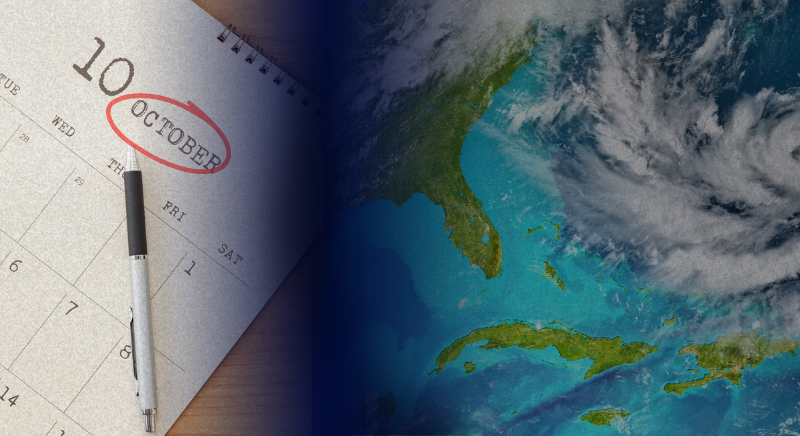
But here’s what many property owners and managers overlook: October is still very much storm season. And in many cases, it’s one of the riskiest months for your roof.
The October Blind Spot
By the time October rolls around, there’s a noticeable shift in mindset. Storm fatigue sets in. Budgets are being finalized. Teams are focused on year-end priorities.
The problem? The weather doesn’t follow that mindset.
Historically, October continues to produce significant storm activity in the Atlantic, and Florida remains highly vulnerable—especially to late-season systems forming in the Caribbean and Gulf.
At the same time, your roof may already be compromised from earlier in the season.
Cumulative Damage Is the Real Threat
Your roof doesn’t have to fail during a major hurricane to be at risk.
Months of exposure to:
- High winds
- Heavy rain
- UV degradation
- Thermal expansion and contraction
can quietly weaken roofing systems over time.
What starts as minor wear—loosened flashing, small membrane punctures, clogged drainage—can escalate quickly when another storm passes through.
By October, many roofs are no longer in “pre-storm” condition. They’re fatigued, which significantly increases the likelihood of failure.
Small Issues Become Big Problems—Fast
Late-season storms don’t need to be catastrophic to cause serious damage.
A tropical storm or even a prolonged rain event can exploit vulnerabilities that developed earlier in the year. That’s when you see:
- Interior leaks are appearing “suddenly.”
- Water infiltration damaging insulation and decking
- Mold and indoor air quality concerns
- Disruptions to tenants or operations
The reality is, most major roofing issues in Q4 aren’t caused by one event—they’re the result of unaddressed issues meeting one more storm.
Budget Season vs. Reality
October also coincides with budget planning for the upcoming year. And this is where risk often gets miscalculated.
Too often, roofing gets pushed into “next year’s capital plan” without a clear understanding of current condition.
That’s a dangerous assumption.
If your roof has sustained even minor damage earlier in the season, deferring action could mean:
- Higher repair costs
- Emergency service calls
- Accelerated system failure
- Unplanned capital expenditures
A proactive inspection now can provide clarity—before small issues become budget-breaking problems.
What You Should Be Doing Right Now
October isn’t the time to relax your roofing strategy. It’s time to reassess.
A professional roof inspection can identify:
- Storm-related damage that isn’t visible from the ground
- Drainage or ponding issues
- Compromised seams, flashing, or penetrations
- Early signs of system failure
From there, you can make informed decisions—whether that’s minor repairs, targeted maintenance, or planning for replacement.
Finish the Season Strong
Florida’s storm season runs through November 30. The properties that perform best aren’t the ones that react—they’re the ones that stay proactive all the way through.
At Latite Roofing, we help property owners and managers close out storm season with confidence. From detailed inspections to maintenance programs and emergency repairs, our team is built to protect your asset at every stage of the season.
Don’t let October be the month you let your guard down. Close out storm season with clarity.